




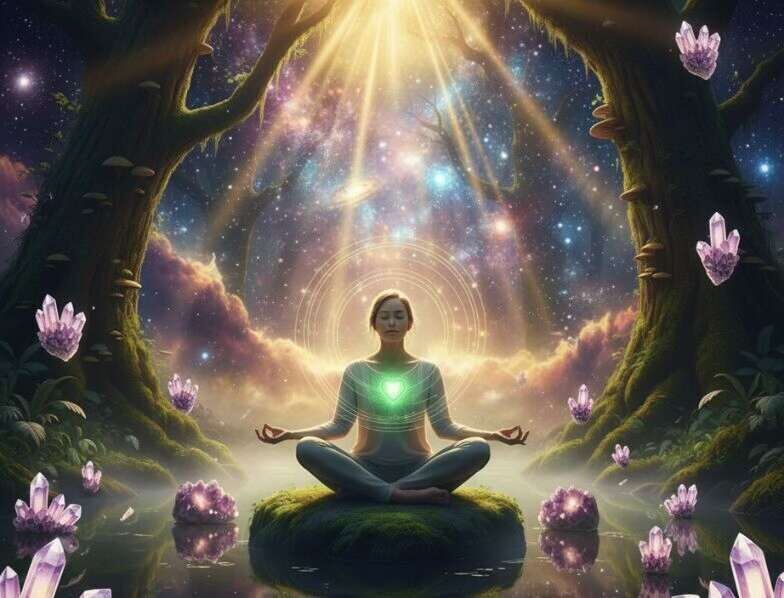














Have you ever wondered what chakras are and why they are often mentioned in meditation, yoga, and spiritual healing? Chakras are an important concept in traditional Indian spiritual practices. They are commonly described as energy centres associated with different aspects of our physical, emotional, and spiritual experiences.
Understanding the 7 chakras explained in simple terms can help you explore meditation, mindfulness, and self-awareness. Each chakra is traditionally associated with a specific colour, symbolic meaning, and area of personal development.
In this guide, we will explore the seven main chakras, their meanings, colours, and significance.
What Are Chakras?
The word chakra comes from Sanskrit and means “wheel.” In traditional Indian spiritual systems, chakras are described as centres of subtle energy within the body.
The seven-chakra model is widely used in modern yoga and spiritual wellness practices. Each chakra is associated with particular themes, such as security, creativity, confidence, love, communication, intuition, and spiritual awareness.
It is important to understand that chakras are part of spiritual traditions rather than scientifically established anatomical structures.
The 7 Chakras Explained
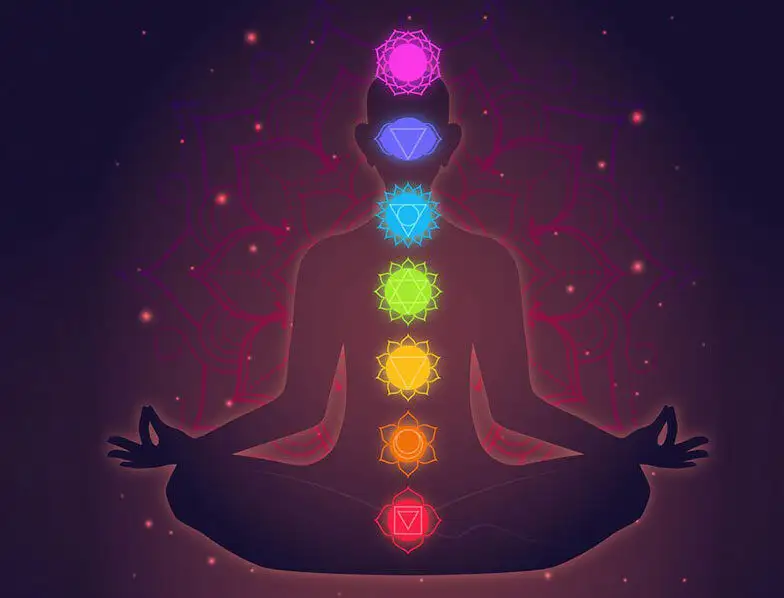
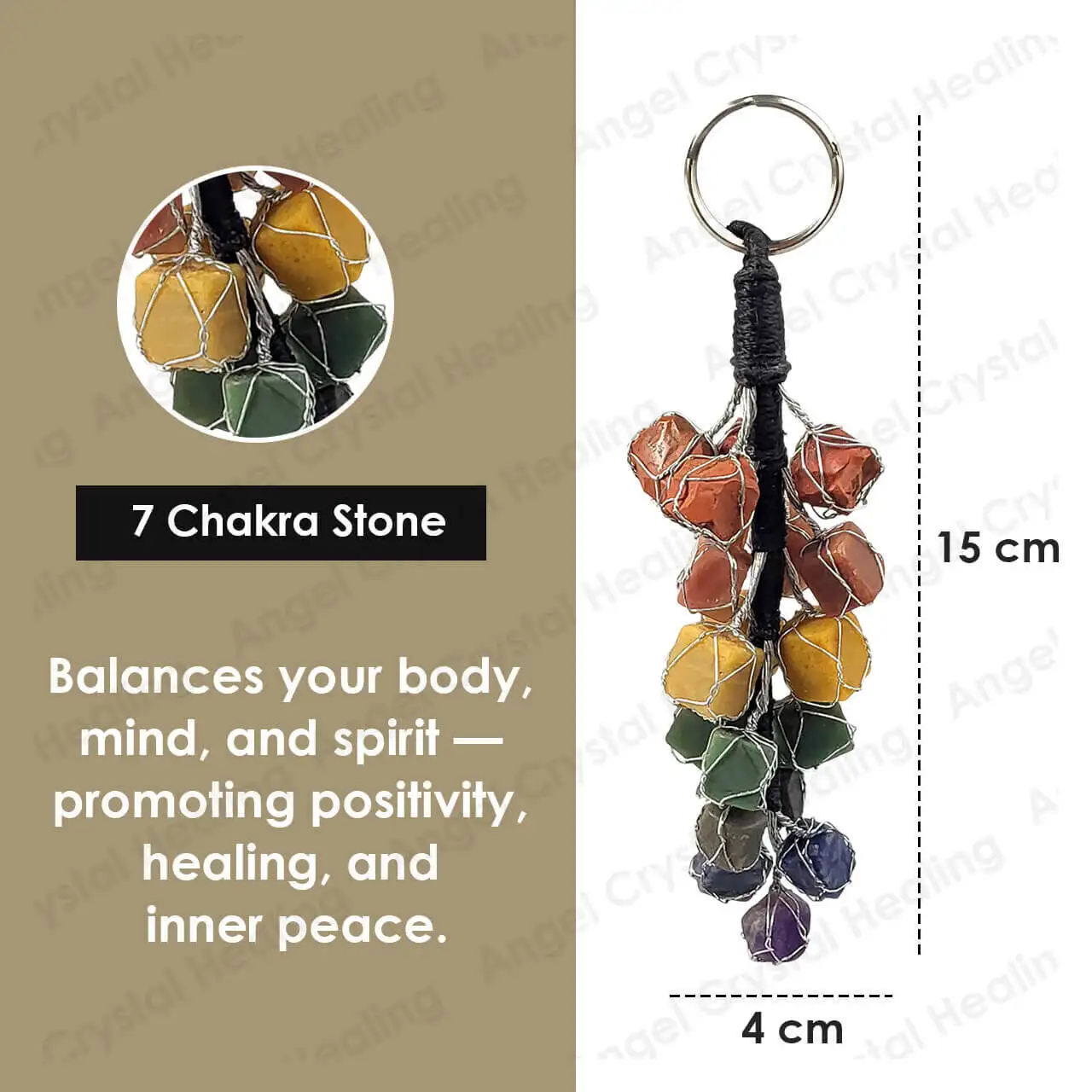
1. Root Chakra (Muladhara) – Red
The Root Chakra is traditionally located at the base of the spine. It represents stability, security, grounding, and our connection with the physical world.
Significance: This chakra is associated with feeling safe, supported, and connected to everyday life.
Practice: Walking in nature, mindful breathing, and grounding meditation can help you focus on stability and the present moment.
2. Sacral Chakra (Svadhisthana) – Orange
The Sacral Chakra is associated with the lower abdomen. It represents creativity, emotions, pleasure, and personal expression.
Significance: In traditional chakra teachings, it relates to emotional awareness, creativity, and adaptability.
Practice: Creative activities such as painting, dancing, journaling, or listening to music can encourage self-expression.
3. Solar Plexus Chakra (Manipura) – Yellow
Located in the upper abdominal area in traditional chakra models, the Solar Plexus Chakra represents confidence, personal power, motivation, and determination.
Significance: It symbolises the ability to make decisions, recognise personal strengths, and work towards goals.
Practice: Setting achievable goals, maintaining healthy boundaries, and practising positive self-reflection can support personal confidence.
4. Heart Chakra (Anahata) – Green
The Heart Chakra is associated with the centre of the chest. It represents love, compassion, kindness, and connection.
Significance: Traditional teachings connect this chakra with giving and receiving love and developing compassion for yourself and others.
Practice: Gratitude journaling, loving-kindness meditation, and spending meaningful time with loved ones can encourage emotional reflection.
5. Throat Chakra (Vishuddha) – Blue
The Throat Chakra is traditionally associated with communication, honesty, and self-expression.
Significance: It represents expressing your thoughts clearly, listening to others, and communicating authentically.
Practice: Mindful listening, journaling, and practising clear communication can help you become more aware of how you express yourself.
6. Third Eye Chakra (Ajna) – Indigo
The Third Eye Chakra is traditionally associated with the area between the eyebrows. It represents intuition, insight, imagination, and inner awareness.
Significance: It symbolises reflection, perspective, and the ability to look beyond immediate reactions.
Practice: Meditation, quiet reflection, and limiting distractions can help you develop greater awareness of your thoughts.
7. Crown Chakra (Sahasrara) – Violet or White
The Crown Chakra is traditionally associated with the top of the head. It represents spiritual awareness, wisdom, and a sense of connection with something greater than oneself.
Significance: In spiritual traditions, it symbolises consciousness, contemplation, and the search for deeper meaning.
Practice: Meditation, prayer, gratitude, or spending quiet time in nature can support spiritual reflection.
Why Is Understanding the 7 Chakras Important?
Learning about the seven chakras can introduce you to different approaches to self-reflection and spiritual exploration.
People often use chakra concepts to:
- Develop a regular meditation practice.
- Explore their emotions and personal experiences.
- Build greater self-awareness.
- Reflect on relationships and communication.
- Connect with traditional spiritual teachings.
Chakra balancing and energy practices have not been scientifically established as ways to diagnose or treat physical or mental health conditions. However, mindfulness and meditation may support relaxation and general well-being.
Chakra Meditation for Beginners
Chakra meditation is a mindfulness practice inspired by the traditional seven-chakra system. It encourages you to focus on different areas of the body while reflecting on their symbolic meanings. Beginners can start with a simple meditation routine without needing any previous experience.
Here are some easy steps to get started with chakra meditation:
- Find a Quiet Space: Choose a comfortable place where you can sit peacefully without distractions.
- Focus on Your Breathing: Close your eyes and take slow, gentle breaths to relax your body and mind.
- Start with the Root Chakra: Focus your attention on the base of your spine and visualise the traditional red colour associated with stability and grounding.
- Move Through Each Chakra: Gradually bring your attention to the Sacral, Solar Plexus, Heart, Throat, Third Eye, and Crown Chakras. Reflect on their traditional colours and meanings.
- Practise Mindful Reflection: Spend a few moments thinking about emotions, confidence, communication, compassion, and personal awareness.
- End with Gratitude: Take a few deep breaths and gently open your eyes when you feel ready.
You can begin with 5–10 minutes of chakra meditation daily and gradually increase the duration according to your comfort. Remember, chakra meditation is a spiritual mindfulness practice, not a medical treatment.
Explore Aura and Chakra Scanning at The Angel Crystal Healing
Want to explore your chakras and understand their traditional significance more deeply?
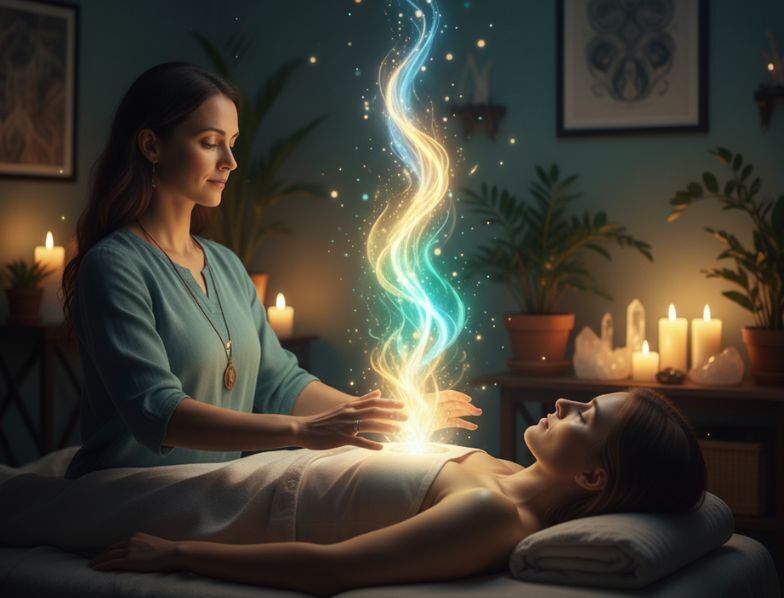
At The Angel Crystal Healing, our Aura and Chakra Scanning service offers an opportunity to explore spiritual concepts associated with your aura and the seven chakras. The session may help you reflect on different aspects of your personal and spiritual wellness through traditional energy-based practices.
Whether you are new to chakra healing or already exploring meditation and spiritual wellness, this service can introduce you to the traditional concepts of energy centres and their symbolic meanings.
Explore our Aura and Chakra Scanning service to learn more about the session, understand what to expect, and discover how it may complement your personal spiritual wellness journey.
What Is Aura and Chakra Scanning?
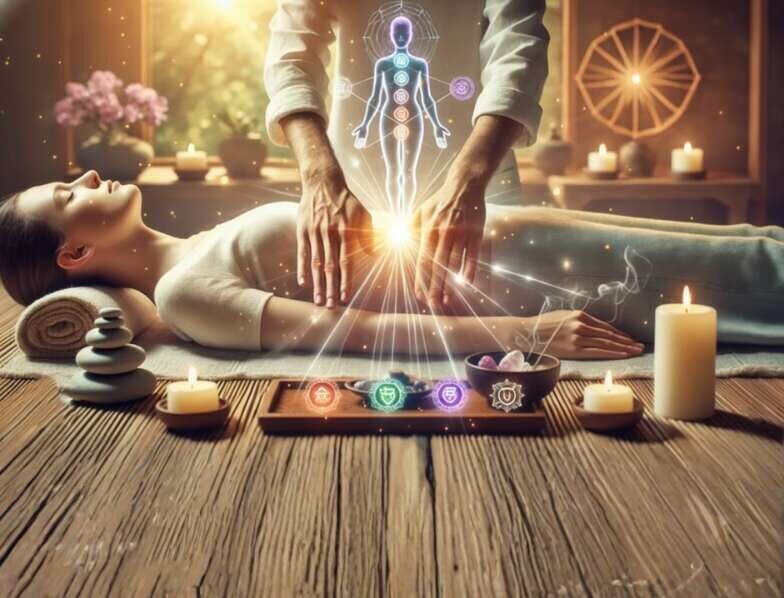
Aura and Chakra Scanning is a spiritual assessment practice that explores traditional concepts of the aura and chakras. Depending on the practitioner’s approach, a session may include a discussion of personal concerns, an explanation of chakra symbolism, and suggestions for meditation or relaxation.
At The Angel Crystal Healing, you can explore the Aura and Chakra Scanning service to learn more about these spiritual concepts and their role in your personal wellness routine.
Before booking a session, ask about the techniques used, session duration, and what you can expect. Chakra scanning is not a scientifically validated medical diagnostic method.
Conclusion
Understanding the 7 chakras explained in this guide can help you explore traditional spiritual teachings and develop a deeper sense of self-awareness. Each chakra has its own symbolic colour, meaning, and significance, representing different aspects of life, from stability and creativity to communication, intuition, and spiritual awareness.
Practices such as chakra meditation, mindful breathing, journaling, and gratitude can provide opportunities for personal reflection and relaxation. Beginners can start with simple daily meditation and gradually explore the meanings of all seven chakras.
If you want to learn more about your energy centres and traditional chakra practices, explore Aura and Chakra Scanning at The Angel Crystal Healing.
Explore Aura and Chakra Scanning
Frequently Asked Questions
1. What are the 7 chakras?
The seven chakras in a commonly used spiritual model are the Root, Sacral, Solar Plexus, Heart, Throat, Third Eye, and Crown Chakras. Each has traditional symbolic meanings and associations.
2. What are the colours of the 7 chakras?
The commonly used colour associations are red for the Root, orange for the Sacral, yellow for the Solar Plexus, green for the Heart, blue for the Throat, indigo for the Third Eye, and violet or white for the Crown Chakra.
3. How can beginners learn about chakras?
Beginners can start by learning the traditional meanings of each chakra and exploring simple practices such as meditation, mindful breathing, journaling, and yoga.
4. What is chakra balancing?
Chakra balancing refers to spiritual practices intended to promote a sense of energetic harmony within the traditional chakra framework. It is not a scientifically established medical treatment.
5. Can I explore chakra meditation at home?
Yes. You can begin with a few minutes of comfortable breathing and meditation. Focus on one chakra’s traditional symbolism at a time and treat the practice as an opportunity for reflection rather than a medical assessment.

