





























In today’s busy lifestyle, finding a few minutes of peace can sometimes feel difficult. Work pressure, daily responsibilities, overthinking, and constant screen time can make it challenging to slow down and focus on yourself. This is where meditation can become a helpful part of your daily routine.
Meditation for beginners is a simple way to start practising mindfulness, improve self-awareness, and create time for relaxation. You do not need special equipment, previous experience, or a particular environment to begin. All you need is a comfortable place and a few minutes of your day.
Whether you want to explore mindfulness, develop a peaceful morning routine, or spend more time understanding your thoughts, meditation offers different techniques that you can practise at your own pace.
In this guide, we will explore beginner-friendly meditation techniques, their potential benefits, and practical tips for building a consistent daily practice.
What Is Meditation?
Meditation is a mind-body practice that involves focusing your attention and becoming more aware of your thoughts, feelings, and surroundings.
It is commonly practised through breathing exercises, mindfulness, guided sessions, visualisation, and other relaxation techniques.
The purpose of meditation is not to stop thinking completely. Instead, it helps you notice when your attention wanders and gently bring it back to the present moment.
People practise meditation for different reasons, including relaxation, self-awareness, emotional balance, and personal growth.
Benefits of Meditation for Beginners
Starting a meditation routine can offer several potential benefits when practised regularly.
1. Encourages Relaxation
Meditation provides an opportunity to slow down and take a break from everyday activities. Focusing on your breathing can help create a relaxing experience.
2. Improves Mindfulness
Mindfulness involves paying attention to the present moment without immediately judging your thoughts or experiences. Regular practice can help you become more aware of your daily habits.
3. Supports Better Focus
Simple meditation exercises encourage you to bring your attention back to one activity, such as breathing. Over time, this practice may help develop concentration skills.
4. Helps Manage Everyday Stress
Mindfulness and meditation practices may help some people manage everyday stress and develop healthier ways of responding to challenging situations.
5. Encourages Self-Awareness
Meditation gives you time to observe your thoughts, emotions, and reactions. This can help you understand your personal patterns and become more mindful of your choices.
Meditation is not a replacement for professional mental health treatment, but it can be a useful complementary wellness practice.
5 Simple Meditation Techniques for Beginners
If you are new to meditation, start with techniques that are easy to understand and comfortable to practise.
1. Breathing Meditation
Breathing meditation is one of the easiest ways to begin.
How to practise:
- Sit comfortably in a quiet place.
- Close your eyes if you feel comfortable.
- Take a natural, gentle breath.
- Notice the feeling of air entering and leaving your body.
- Whenever your mind wanders, gently return your attention to your breathing.
Start with five minutes and gradually increase the duration.
2. Guided Meditation
Guided meditation involves listening to a teacher or recorded instructions that help you follow a meditation session.
It is particularly useful for beginners who are unsure how to meditate independently.
You can explore guided sessions focused on relaxation, mindfulness, gratitude, or positive visualisation.
3. Mindfulness Meditation
Mindfulness meditation focuses on becoming aware of your present experience.
How to practise:
- Find a comfortable sitting position.
- Notice your breathing.
- Observe the sounds around you.
- Pay attention to physical sensations.
- Allow thoughts to come and go without trying to control them.
This technique can help you become more aware of everyday experiences.
4. Loving-Kindness Meditation
Loving-kindness meditation focuses on developing feelings of compassion, kindness, and goodwill towards yourself and others.
During the practice, you can silently repeat simple phrases such as:
- May I feel peaceful.
- May I be kind to myself.
- May others experience happiness.
- May I develop compassion and understanding.
This technique can be a meaningful addition to your personal wellness routine.
5. Visualisation Meditation
Visualisation meditation involves imagining a peaceful place or positive experience.
For example, you might picture yourself sitting beside a quiet lake, walking through a beautiful garden, or enjoying a peaceful sunrise.
Focus on the details of the imagined environment, such as colours, sounds, and surroundings.
This can make meditation more engaging for beginners who enjoy guided imagery.
How to Start a Daily Meditation Routine
Building a meditation habit does not require a complicated schedule. Consistency is more important than starting with long sessions.
Here are some practical suggestions:
Step 1: Choose a Suitable Time
Select a time that fits naturally into your daily routine. Many people prefer morning meditation, while others enjoy practising before bedtime.
Step 2: Find a Comfortable Space
Choose a quiet corner where you can sit comfortably without unnecessary distractions.
Step 3: Start with Five Minutes
Do not pressure yourself to meditate for 30 or 60 minutes immediately. Begin with five minutes and gradually increase your practice.
Step 4: Focus on One Technique
Start with breathing or guided meditation instead of trying several methods at once.
Step 5: Practise Regularly
Try to meditate at approximately the same time every day. A simple routine can make it easier to develop a lasting habit.
Common Meditation Mistakes Beginners Should Avoid
When starting meditation, it is normal to experience distractions or uncertainty.
Avoid these common mistakes:
- Expecting an empty mind: Meditation does not require you to stop thinking.
- Starting with long sessions: Begin with a manageable duration.
- Getting frustrated: Your attention will wander, and that is completely normal.
- Choosing an uncomfortable position: Find a posture that allows you to relax.
- Expecting immediate results: Give yourself time to understand and develop the practice.
Remember, meditation is a personal journey. There is no need to compare your experience with someone else’s.
Create a Peaceful Meditation Space at Home
Having a dedicated meditation corner can make your practice more enjoyable.
Consider these simple ideas:
- Choose a clean and quiet area.
- Use a comfortable meditation cushion.
- Keep the lighting soft and pleasant.
- Add indoor plants if you enjoy natural surroundings.
- Play gentle instrumental music.
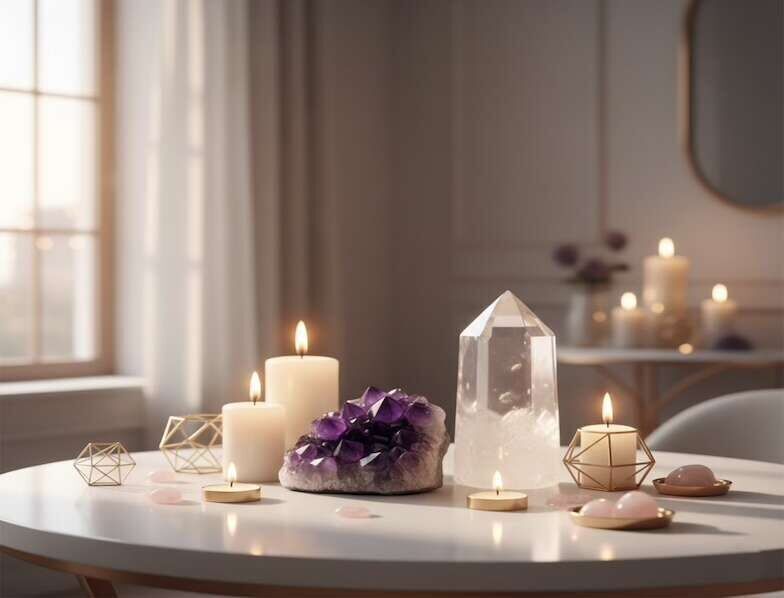
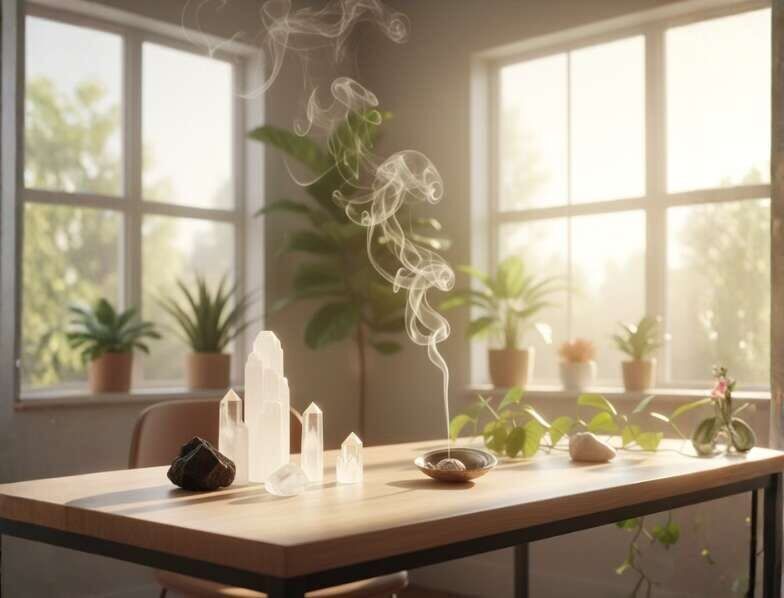
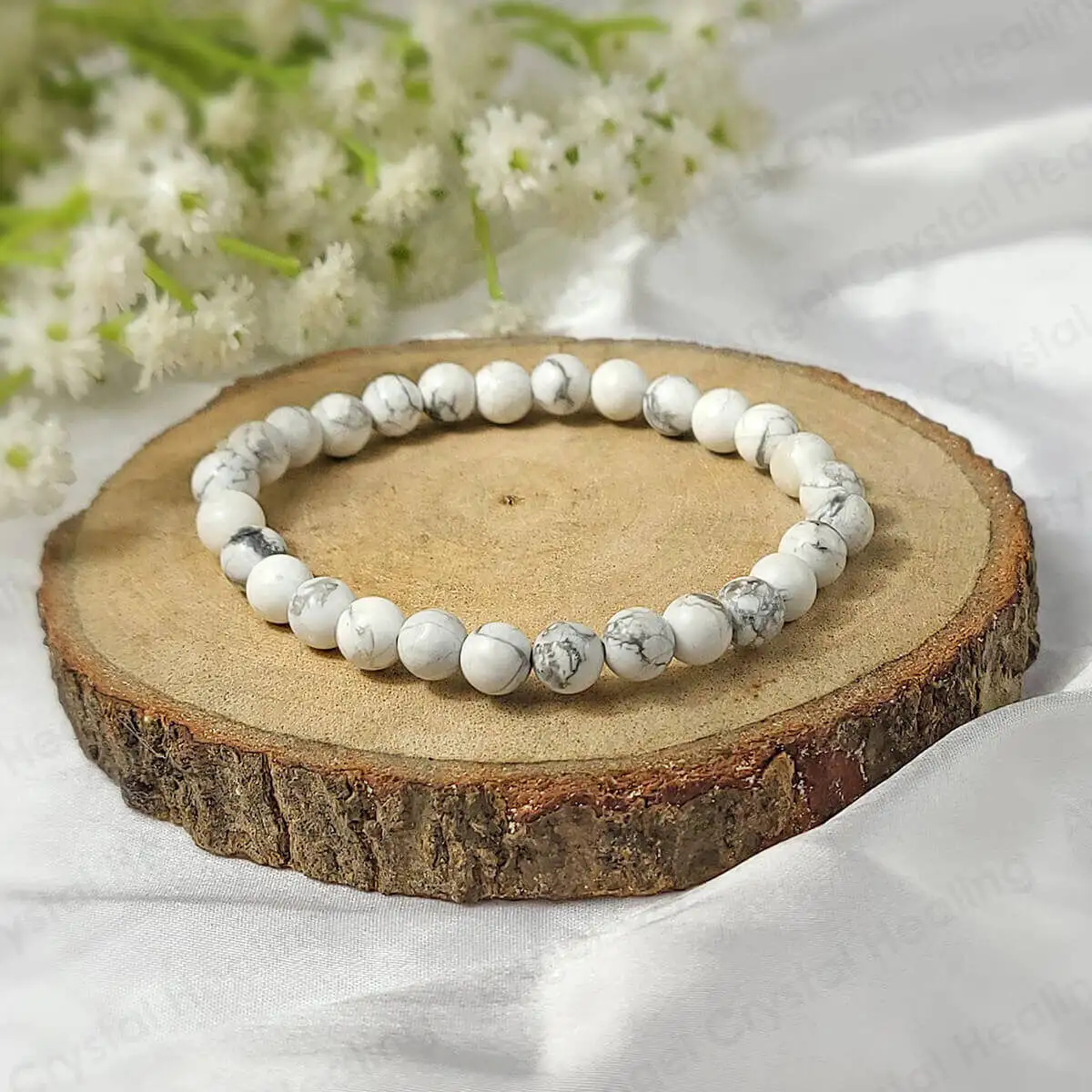
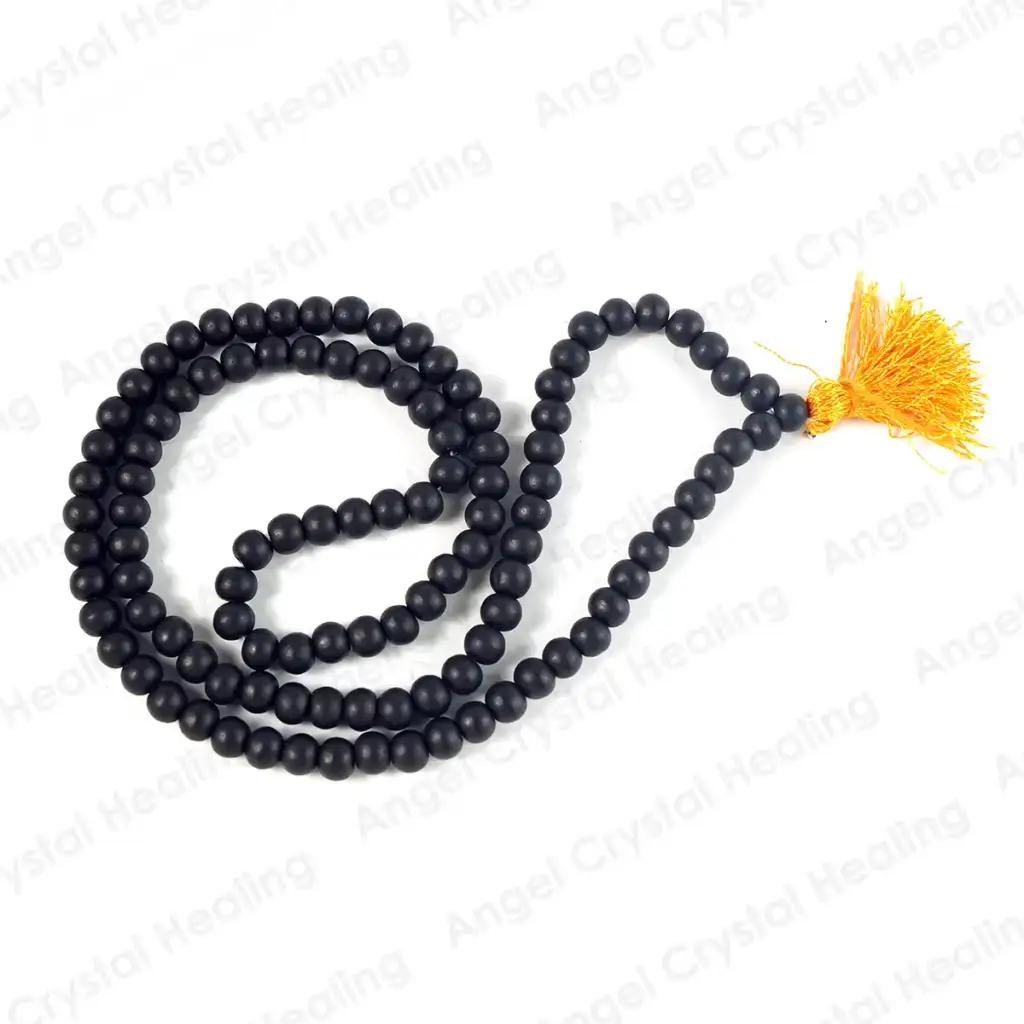
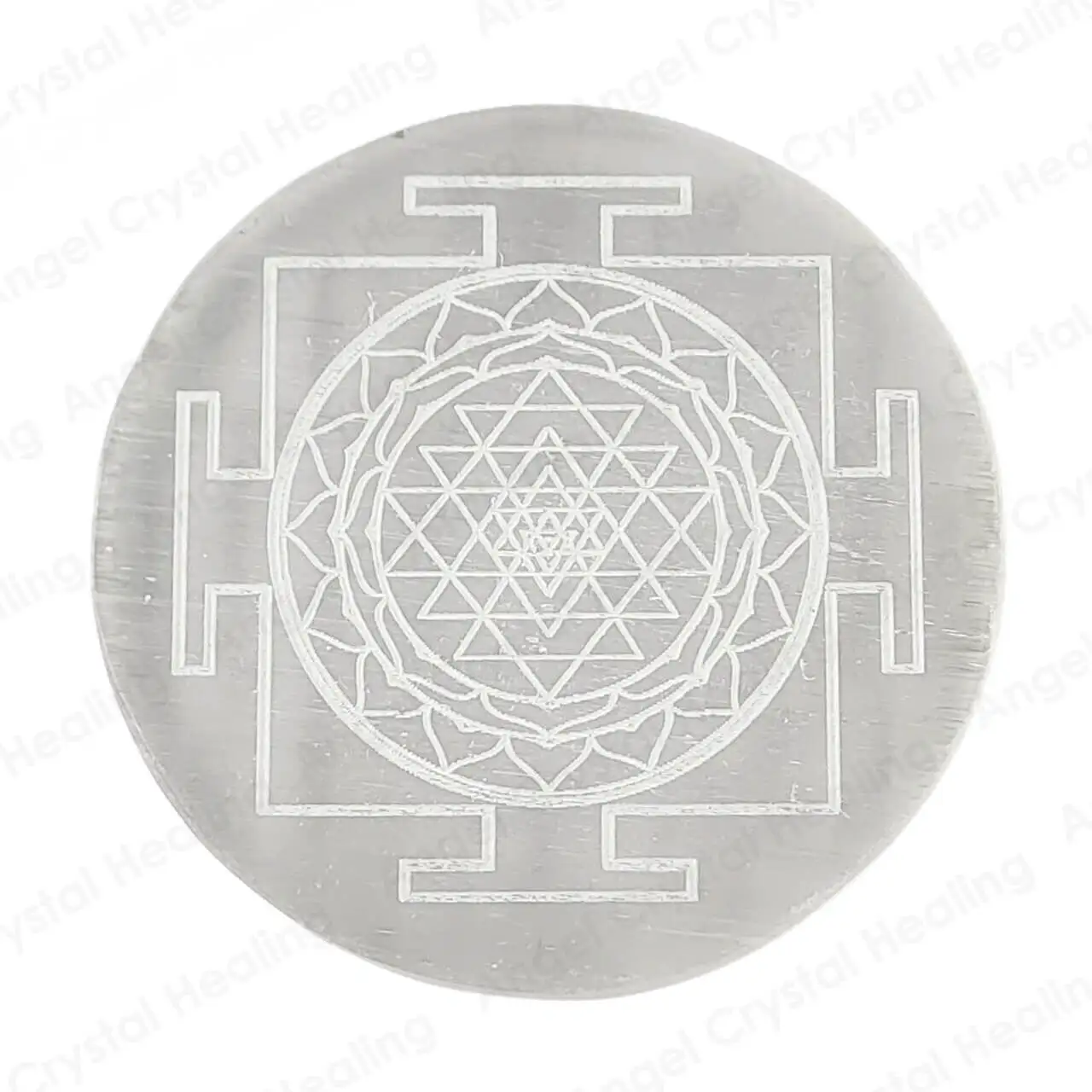
- Keep meaningful spiritual objects or crystals nearby if they are part of your personal practice.
You can also explore crystal traditions by incorporating Amethyst, Clear Quartz, or Rose Quartz into your meditation space.
These crystals are traditionally associated with spiritual awareness, clarity, and compassion, although their specific healing effects have not been scientifically established.
Explore Meditation Healing at The Angel Crystal Healing
If you want to explore meditation beyond your daily home practice, The Angel Crystal Healing offers Meditation Healing as part of its spiritual wellness services.
Meditation Healing can be an option for individuals interested in mindfulness, relaxation, spiritual exploration, and developing a more intentional daily routine.
Whether you are a beginner or already familiar with meditation, exploring guided practices can help you discover techniques that suit your personal preferences.
You can explore the Meditation Healing service at The Angel Crystal Healing to learn more about the available sessions and how to get started.
Frequently Asked Questions (FAQs)
1. How should a beginner start meditation?
Beginners can start with five minutes of breathing meditation in a quiet and comfortable place. Focus on your natural breathing and gently bring your attention back whenever your mind wanders.
2. How many minutes should beginners meditate daily?
Starting with five to ten minutes daily is a practical approach. You can gradually increase the duration as you become more comfortable with the practice.
3. What is the easiest meditation technique for beginners?
Breathing meditation is one of the easiest techniques because it does not require equipment, special training, or previous experience.
4. Is it better to meditate in the morning or at night?
Both are suitable. Morning meditation can help you begin the day mindfully, while evening meditation can provide an opportunity to relax after daily activities.
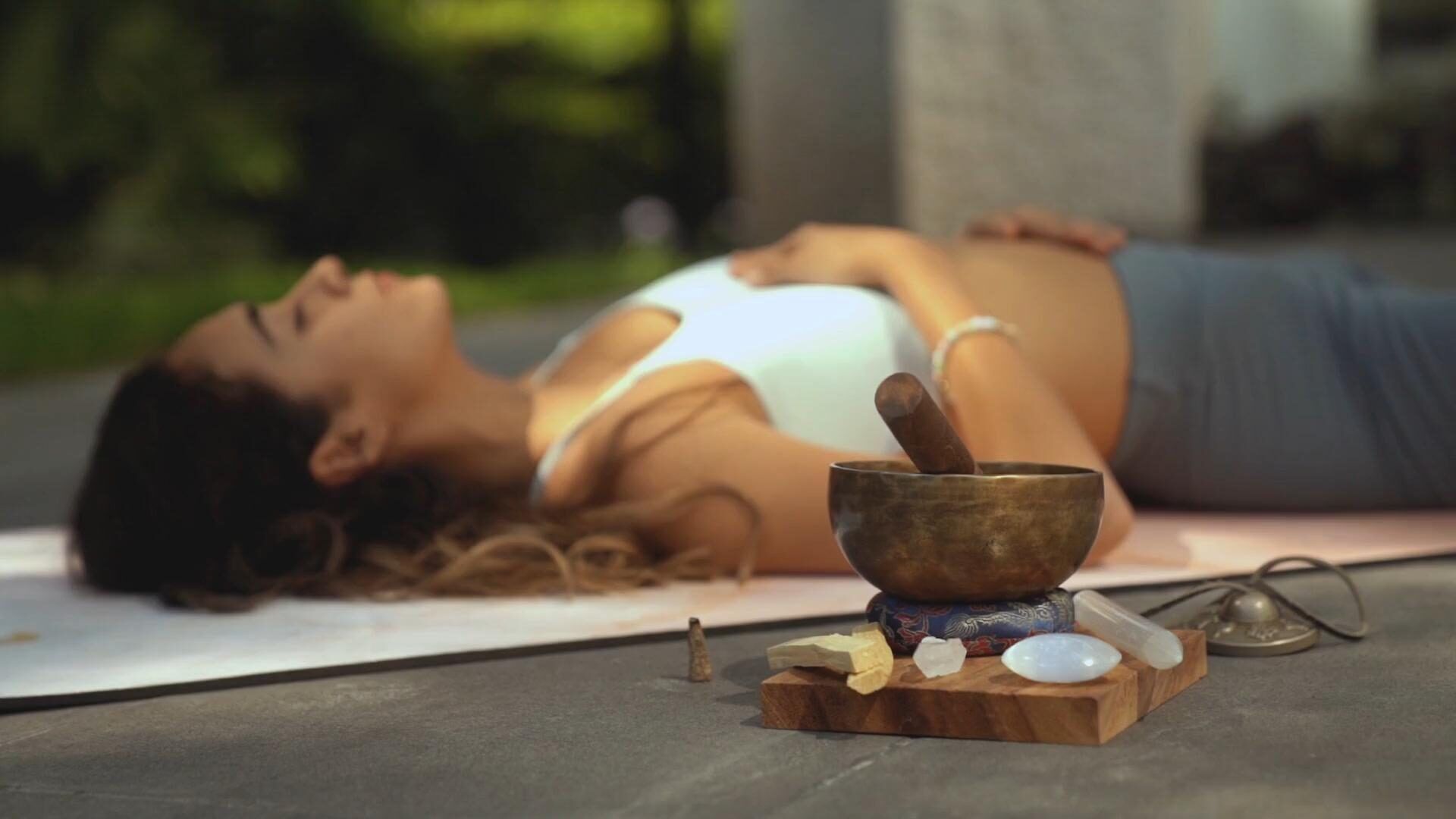
5. Can I meditate while lying down?
Yes. You can meditate while lying down if it is comfortable for you. However, sitting upright may help you remain attentive if you tend to fall asleep.
6. Can meditation help with overthinking?
Meditation may help you become more aware of recurring thoughts and practise responding to them with greater attention. It does not guarantee that overthinking will disappear.
7. Do I need crystals for meditation?
No. Crystals are optional and are not necessary for meditation. You can practise mindfulness and breathing exercises without any additional objects.
Conclusion
Starting meditation for beginners does not have to be complicated. Even five minutes of mindful breathing each day can help you create a personal routine focused on relaxation, awareness, and self-reflection.
Explore different techniques, find a comfortable space, and give yourself enough time to develop the habit. Whether you prefer breathing meditation, guided sessions, mindfulness, or visualisation, choose a practice that feels natural to you.
If you want to explore meditation with additional spiritual guidance, discover the Meditation Healing service at The Angel Crystal Healing and take a step towards building a more mindful daily routine.